1
Problem Twenty-eight days to complete one full rotation
Each crew moves through the entire DuPont sequence over four weeks. Printing only one week hides who is entering a four-day work string or a seven-day rest.
Twelve-hour shifts, staggered crews, and rest blocks long enough to matter—short enough that planning mistakes hurt immediately
Each crew moves through the entire DuPont sequence over four weeks. Printing only one week hides who is entering a four-day work string or a seven-day rest.
Typical DuPont patterns cluster three or four consecutive 12-hour shifts before shorter off periods, with a longer break before the cycle restarts. Fatigue policy and coverage math both depend on honoring those blocks.
Continuous operations require staggered entry points. If offsets slip during manual edits, double coverage or dangerous gaps appear at plant or post handoffs.
Many DuPont implementations rotate crews through day blocks and night blocks across the 28-day window. Premium rules and handover quality both suffer when day and night live in separate files.
A week with four 12-hour shifts totals 48 hours; a week inside the long rest block may show zero scheduled hours. Templates that assume uniformity mislead planners and finance alike.
Chemical plants, utilities, and security operations cannot tolerate a silent gap. When the master schedule drifts from reality, overtime and risk rise together.
Encode the four-week cycle once, align four crews, then operate swaps and leave on the live calendar
Most teams adopting DuPont already know their crew identifiers and which anchor date each crew uses to enter the 28-day pattern. ShiftBox turns that into a published industrial roster instead of a workbook that fractures after the first unplanned absence.
Add crews, 12-hour shift types, and roles for your operation.
Define the DuPont work-and-rest sequence for the anchor crew.
Offset remaining crews so the plant or site stays covered 24/7.
Publish the generated four-week calendar to staff.
Manage swaps, training days, and leave without redrawing the cycle.
Building the 28-day grid is hard; keeping four crew offsets accurate through a month of swaps is where manual tools collapse
The four-week template is correct on launch day. Then call-outs, overtime fill-ins, and crew-offset mistakes accumulate—and nobody trusts which version reflects tonight's night block.
The four-week pattern is generated once, four crews stay aligned in one calendar, and exceptions update the picture operations and payroll share.
The pattern rewards teams that treat the four-week cycle as an operating system, not a one-time drawing exercise
Continuous units need predictable crew strings and real rest between intense blocks. DuPont is a cultural default in many industrial environments for that reason.
Twelve-hour posts with long rest periods help reduce chronic fatigue—if the rotation stays accurate through swaps and extra shifts.
Grid, water, and telecom operations run DuPont-style rotations when coverage cannot stop and headcount is fixed at four crews.
When a crew enters a seven-day rest sequence, unplanned call-ins can destroy the fatigue benefit. Visibility helps supervisors say no with data—or backfill deliberately.
Safety training and certification refreshers must sit in the calendar, not as sticky notes that collide with a four-day work string.
Payroll periods and DuPont cycles rarely align cleanly. Hour trails tied to assignments reduce reconciliation pain when the month splits a work string.
Concrete control points for industrial schedulers—not generic HR feature lists
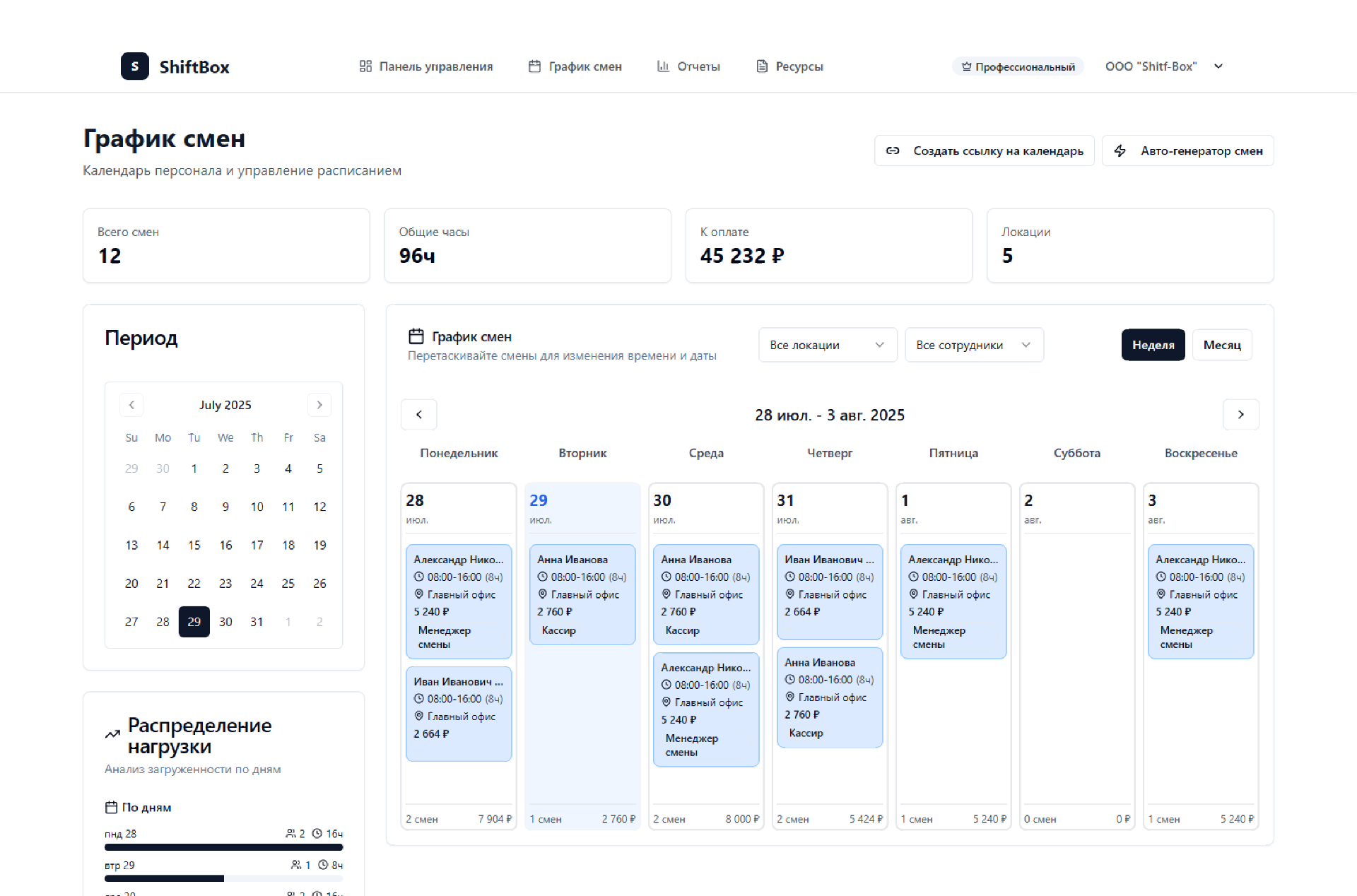
Encode the work runs, short off periods, and long rest block once. Offset four crews across the 28-day window and publish continuous 12-hour coverage without rebuilding the grid every month.
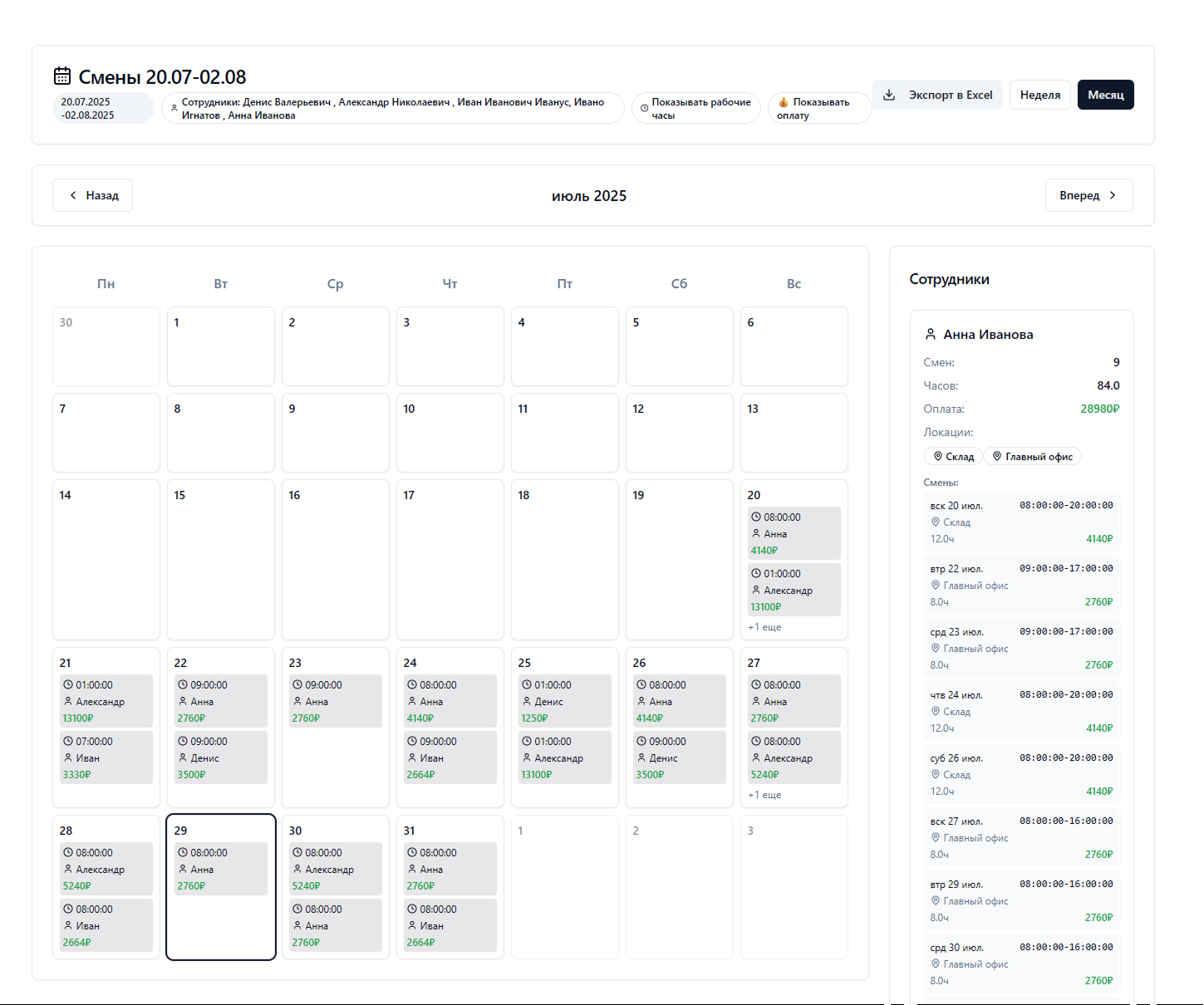
See when a crew member is in a 36- or 48-hour week versus a rest-heavy week. Compare planned 12-hour blocks to worked time before overtime and premiums harden.
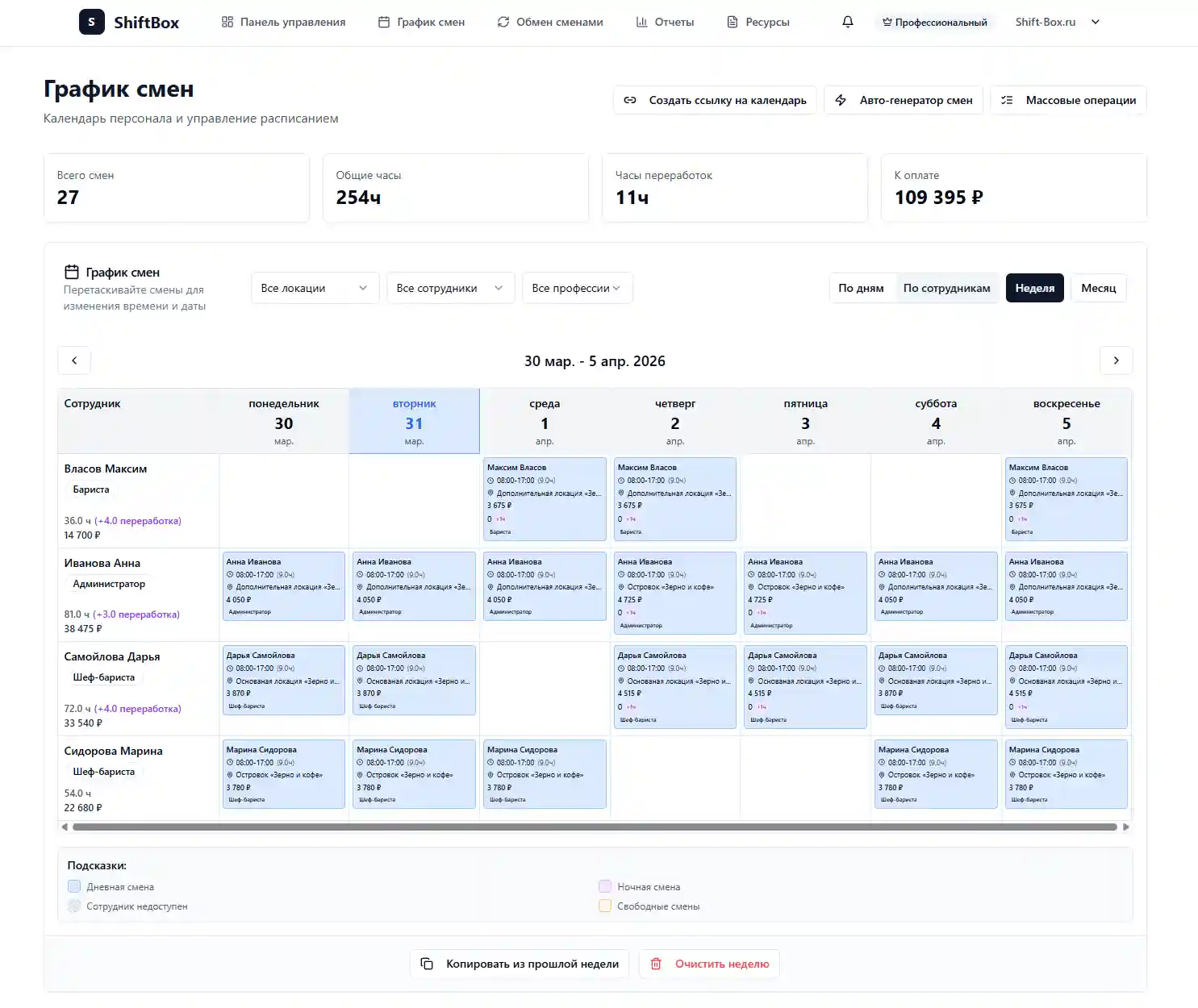
After publish, operators and guards open the latest four-week view—upcoming day strings, night strings, and approved swaps included—without a new attachment after every edit.
Calendar, crews, 12-hour blocks, four-week visibility, and hour reports share one workflow—no multi-tab Excel models, email chains, and manual offset fixes.
Build shifts in a clear matrix calendar, assign people with drag-and-drop, and immediately see coverage gaps.
Actual hours, lateness, and overtime live in one place so managers are not reconciling spreadsheets at month-end.
Staff open a browser link, see their shifts, mark unavailability, and request swaps without a heavy onboarding flow.
When shifts change, people see the new plan in their workspace—managers do not re-explain every edit in side threads.
On a 28-day industrial rotation, each role needs the same cycle seen from a different angle
Sees whether four-crew coverage holds across day and night strings and whether any work run chronically ends short before production or security SLAs slip.
Operates from a generated DuPont base: records swaps, training, and emergency fill-ins without manually re-aligning four crew offsets after every change.
Gets assignment-linked hours through uneven weeks—especially when 48-hour work strings, night premiums, and call-out coverage intersect.
DuPont teams rarely fail while the printed 28-day chart is fresh—they fail when swaps, training holds, and emergency overtime pull crews off their anchor dates. That is when a single live roster starts paying back the setup effort.
"We run DuPont on four crews—three or four 12-hour shifts, then the rest sequence, across a full month. The wall chart was sacred until someone covered a night string for training and Crew D was a day ahead for two weeks. Security handoffs got tense. Now the four-week cycle is generated in ShiftBox, offsets stay honest, and we see who is entering a 48-hour week before we sign another swap."
Each supervisor kept correction notes, the long rest block was easy to misread as vacation, and payroll rebuilt hours from three exports at period end.
The DuPont cycle, crew offsets, swaps, and hour totals live in one process that survives a full 28-day rotation.
The site stops fighting roster drift through parallel files and moves to one current picture of four crews, twelve-hour blocks, and industrial coverage.
Value appears when the four-week cycle, exceptions, and hours share one workflow through every work string and rest block
The DuPont shift schedule emerged from industrial environments that needed continuous 24/7 coverage with recovery periods long enough to matter. Unlike simple weekly rotations, DuPont stretches across twenty-eight days. Each crew progresses through defined strings of twelve-hour shifts—often three or four consecutive workdays or nights—separated by shorter off periods and, at key points, a longer rest block before the cycle begins again. Four crews enter the pattern on staggered start dates so the operation never goes dark.
That structure trades planning complexity for fatigue management and predictable coverage. A supervisor can look at the full cycle and see who is heading into a demanding four-shift string versus who is entering a multi-day rest. Payroll, however, still faces uneven calendar weeks: one week may contain forty-eight scheduled hours for a person on a long work run, while another week inside the rest block may show little or no scheduled time. Spreadsheet templates that color cells but do not track assignments leave finance guessing which version was actually worked.
ShiftBox treats DuPont as an operating pattern—not a one-time download. You generate the four-week sequence, align crew offsets, publish the roster, and then manage the messy reality: call-outs, security overtime, training holds, and approved swaps. Because the cycle lives in one system, a substitution that pulls someone off a rest block or adds a fifth shift in a week updates the hour picture immediately. Day and night lanes stay together, which matters when premiums, handoffs, and safety briefings differ by block type.
Teams in chemical processing, utilities, manufacturing, and secured facilities often choose DuPont when union agreements or internal fatigue policies favor longer rest between intense runs. The pattern is not lighter to administer than Pitman 2-2-3—it is different. ShiftBox does not oversell magic automation. It gives schedulers an honest workspace to generate the DuPont schedule, keep four crews synchronized, and give payroll a defensible hour trail through the month.
A DuPont roster that survives the full four-week cycle—not just week one.
Especially useful where 12-hour strings, long rest blocks, and four-crew 24/7 coverage are fixed constraints—and manual grids keep breaking at offset boundaries.
Model the four-week 12-hour cycle, align four crews, and keep swaps and uneven weeks visible in one roster.
Ask for a walkthrough if your DuPont variant uses custom rest blocks—we can map your anchor dates together.
ShiftBox helps industrial and 24/7 teams generate and operate the DuPont four-week 12-hour rotation—four crews, continuous coverage, uneven weekly hours, and one workflow instead of a wall chart and a broken spreadsheet.
Four-week cycles, 12-hour blocks, and the planning discipline industrial crews need
A 28-day rotating pattern—usually four crews on 12-hour shifts—with structured work runs (often three or four consecutive days or nights), short off periods, and a longer rest block before the cycle repeats. Crews enter the pattern on staggered start dates to maintain 24/7 coverage.
Both use four crews and 12-hour shifts for continuous coverage. DuPont emphasizes longer work strings and a defined four-week cadence with extended rest at cycle points; Pitman uses the 2-2-3 block rhythm. Teams pick based on fatigue policy, union rules, and operational culture.
Yes: define the work and rest sequence for one crew, offset the other three crews, and publish the repeating 28-day calendar. Exceptions and swaps then layer on the generated base instead of redrawing the grid.
Some calendar weeks include three or four 12-hour shifts (36–48 hours); others include only one or two workdays, and the long rest block may land entirely inside a single week. Rules and premiums depend on seeing actual assignments—not a flat 40-hour assumption.
Yes. Security, utilities, manufacturing, and other always-on operations adopt DuPont-style rotations when they want longer rest periods between intense work strings—provided they can manage the planning complexity.
No app install is required. Staff use a browser link to the published roster and see their upcoming work runs, rest blocks, and any approved swaps—important when the cycle spans a full month.
Neighboring schedules for continuous twelve-hour operations