1
Problem Housekeeping waits on checkout information
Attendants are scheduled for a fixed block, but turnover reality shifts with late departures and early VIP arrivals. The roster does not match the floor.
Checkout waves, night coverage, and seasonal surges expose weak rosters long before payroll does.
Attendants are scheduled for a fixed block, but turnover reality shifts with late departures and early VIP arrivals. The roster does not match the floor.
Day team leaves, night team is short one person, and the lobby queue builds while managers search chat for who agreed to cover.
Engineering is scheduled mid-morning while check-in rush needs every hand at the desk and every cart on the floor.
Summer occupancy needs more housekeeping and concierge hours, but each department keeps its own spreadsheet version.
The plan assumes full service seven days a week, yet no one notices the Saturday gap until a group arrival lands.
Housekeeping, front office, and maintenance each report hours differently, so finance reconciles at month-end instead of adjusting mid-week.
Without stopping daily operations or running a quarter-long implementation project
Most hotels start with one department—often housekeeping or front desk—import roles and base shifts, publish to staff, then connect maintenance and concierge once the first workflow is stable. The goal is a single operational calendar that survives checkout variability and seasonal peaks.
Add the property, departments, roles, and people.
Build base shifts for housekeeping zones, front desk coverage, and maintenance windows.
Publish shifts to attendants, reception, and engineering in their portal.
Record swaps, late checkouts, and extra coverage without chat threads.
Review hours by department and prepare the period report.
The same property feels different when Excel is no longer the glue between departments
Hotels run on timing that spreadsheets handle poorly: checkout clusters, 24/7 front desk coverage, maintenance call-outs, concierge events, and occupancy that doubles in high season. Each department edits its own file while operations move in real time.
Directors of operations, department heads, and admins see current shifts, coverage gaps, and hours per team without constant manual reconciliation across housekeeping, front office, engineering, and concierge.
Not abstract automation—concrete control points for the rooms division manager, front office lead, and GM
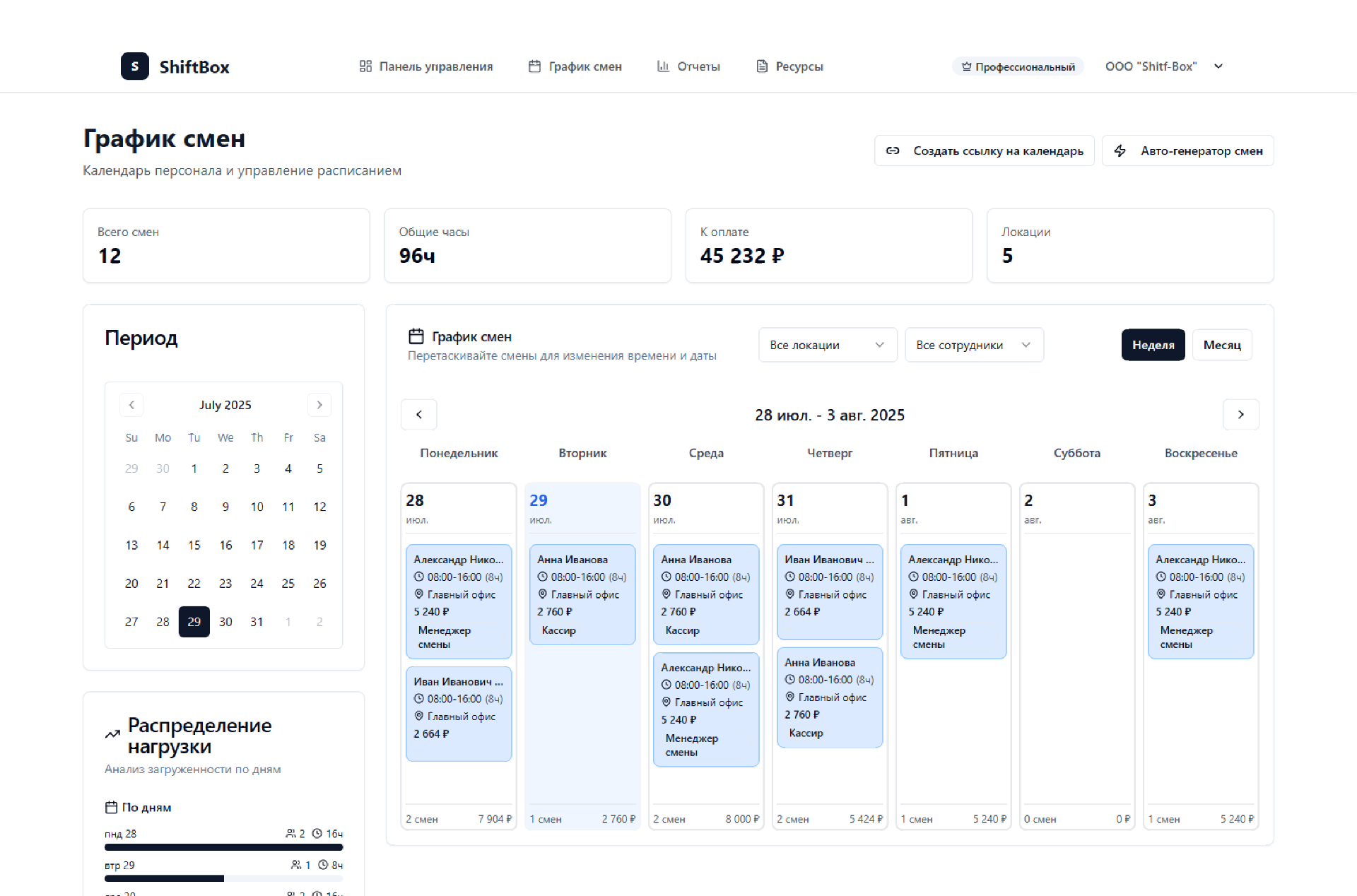
See attendant coverage by floor or zone and adjust when turnover windows shift. Less waiting for manual headcount updates from the front desk.
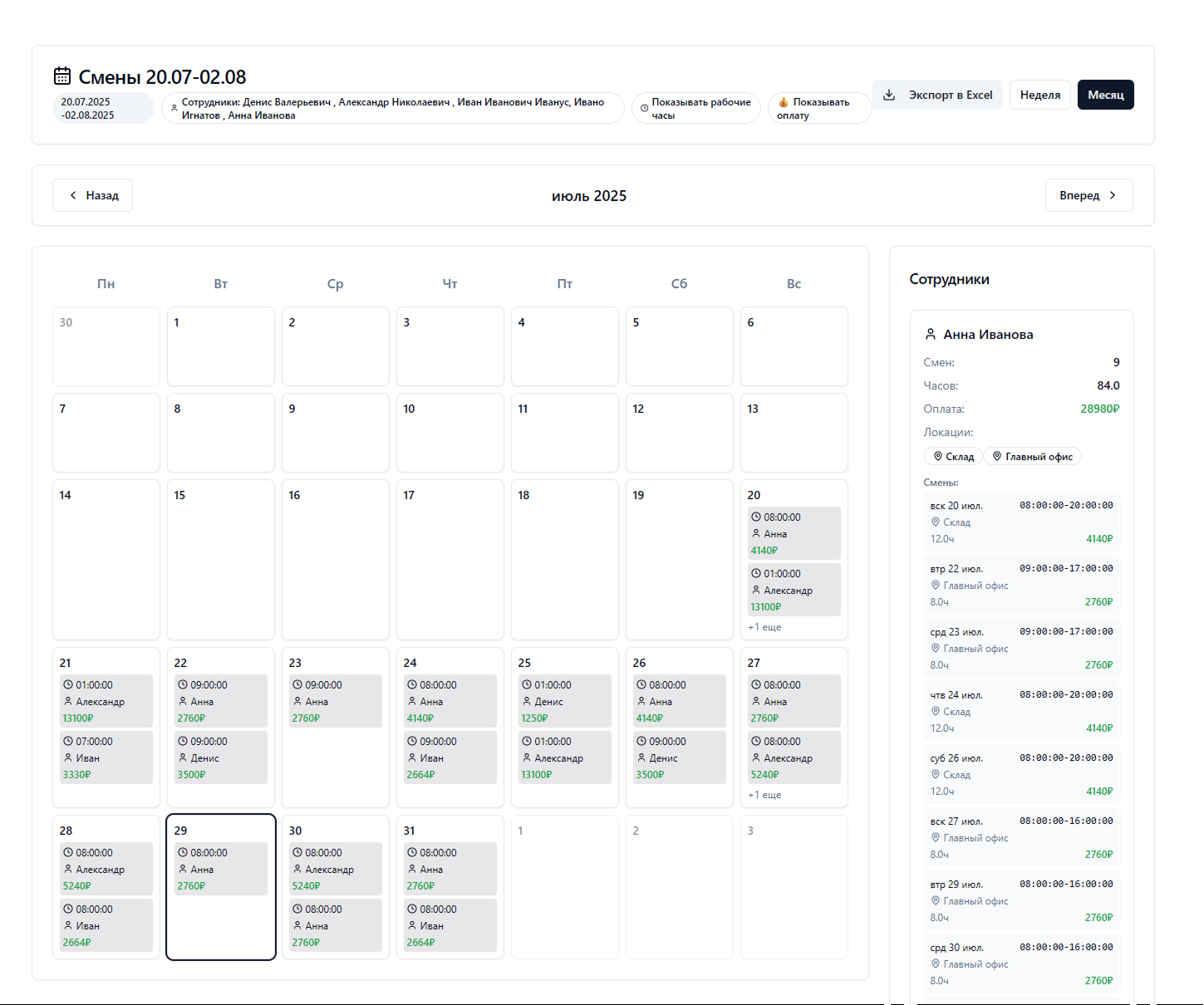
Day, swing, and night shifts sit in one roster so handoff gaps are visible before the lobby gets busy.
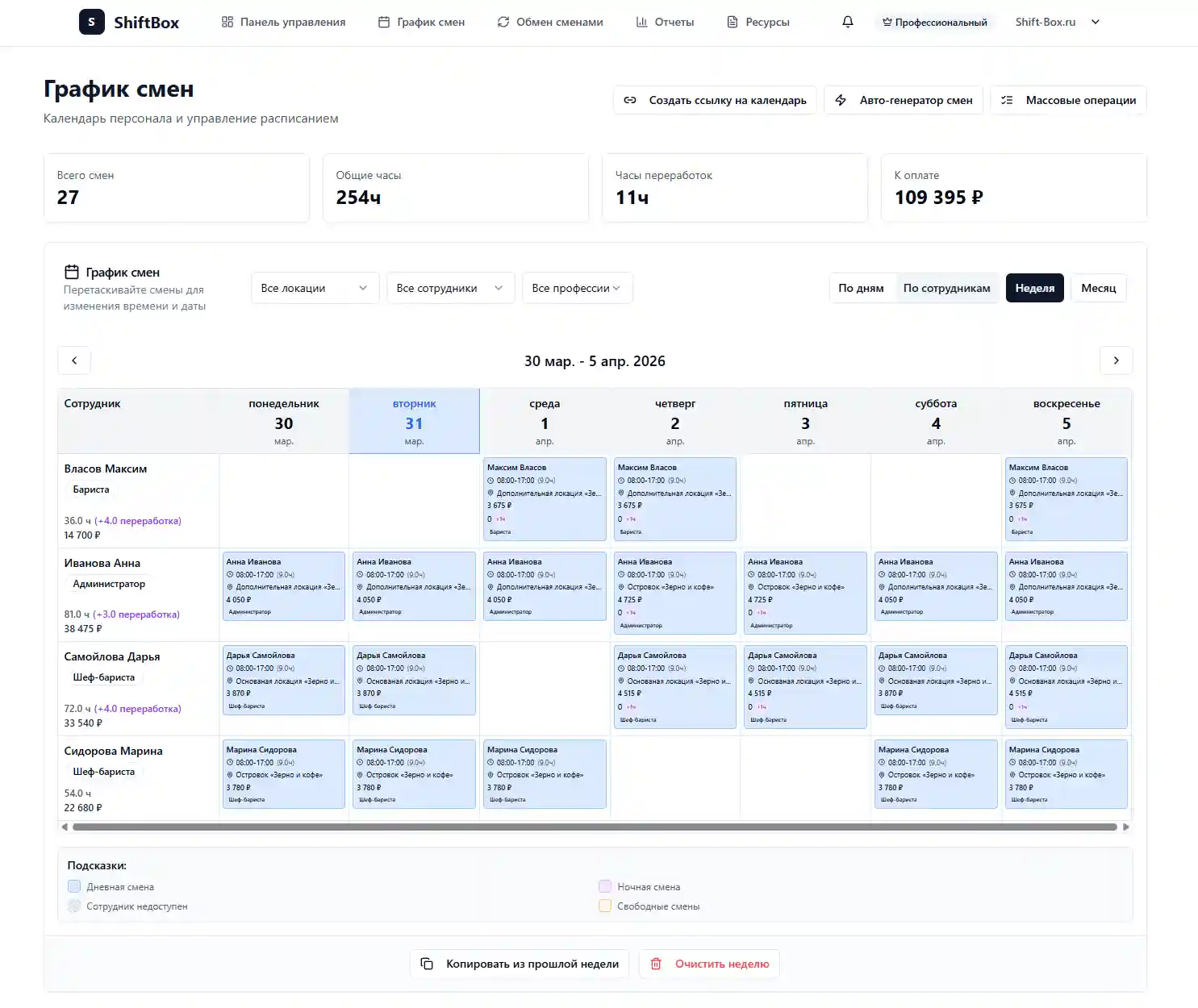
Engineering windows, concierge hours, and actual time sit in one system instead of a patchwork of department files.
Calendar, people, hours, coverage, and reports share one workflow—no Excel, chat threads, and manual roll-ups across departments.
Build shifts in a clear matrix calendar, assign people with drag-and-drop, and immediately see coverage gaps.
Actual hours, lateness, and overtime live in one place so managers are not reconciling spreadsheets at month-end.
Staff open a browser link, see their shifts, mark unavailability, and request swaps without a heavy onboarding flow.
When shifts change, people see the new plan in their workspace—managers do not re-explain every edit in side threads.
Each role sees the slice of hotel operations it needs to run the property through quiet weeks and peak season
Gets a clearer picture of properties, department load, and labor cost without collecting status from three separate spreadsheets every morning.
Works with a live roster: adds shifts, closes gaps after late checkouts, and publishes changes without chasing attendants and reception staff in chat.
Gets cleaner hour and shift data from housekeeping, front desk, maintenance, and concierge instead of assembling it from several exports.
Hotel teams need more than a neat template—they need to keep the process current when checkout times move, night audit runs long, maintenance responds to a call-out, and seasonal hires join mid-week.
"We have eighty-two rooms and three departments that never matched their schedules. Housekeeping followed a fixed morning block while checkout reality changed daily. Front desk night handoffs were confirmed in a group chat. After ShiftBox, turnover-driven adjustments, night coverage, and maintenance windows stopped living in separate files: the rooms manager works in one window, and the crew sees a current shift plan on mobile."
Checkout-driven housekeeping changes, front desk swaps, and maintenance overtime had to be confirmed by hand, and the final hour picture came from several department sources.
Housekeeping zones, front desk coverage, maintenance shifts, and actual time live in one process that is easier to keep current as occupancy changes.
The property stops fighting operational fires in spreadsheets and moves to more predictable control of roster, hours, and cross-department coverage through peak and off-season.
Not only build the schedule, but keep it live as guest flow and occupancy change
A hotel roster rarely stays static for even a day. Checkout clusters shift housekeeping demand. A late group departure leaves attendants on the floor longer than planned. Front desk needs an extra body when the red-eye lands after midnight. Maintenance answers a call that was not on anyone's spreadsheet. Concierge extends hours for a conference block. When each department keeps its own file, every change becomes a manual chain of phone calls, chat messages, and revised tables that are outdated before they are saved.
Hotels are not restaurants. The rhythm is driven by room turnover, 24/7 lobby coverage, engineering response times, and occupancy curves—not by a dinner rush and a kitchen pass. ShiftBox gathers shifts, actual hours, and swaps in one place so the rooms division manager, front office lead, and director of operations can build the plan and keep it current without constant drift between people, chats, and files.
Housekeeping can be organized by floor, wing, or attendant team so headcount flexes with checkout volume instead of a rigid template that ignores reality. Front desk day, swing, and night shifts appear together so handoff gaps surface before guests wait at the counter. Maintenance and engineering can run early-morning or on-call patterns without disappearing from the property-wide view. Concierge and guest services can publish flexible windows for arrivals, events, and weekend surges. When high season arrives, temporary staff join the same roster instead of living in a side spreadsheet that finance never sees until payroll.
Because hours sit next to published shifts, overtime in housekeeping on heavy turnover days, extra front desk coverage after late arrivals, and emergency maintenance work are easier to notice during the month—not only when three department exports are merged at month-end. That gives GMs and owners a more honest picture of labor against occupancy before costs harden into surprises.
A more predictable property roster and less daily manual work across departments.
Especially important for independent hotels, boutique properties, and small groups that must react fast to checkout variability, night coverage needs, maintenance call-outs, and seasonal occupancy without hiring a scheduling administrator.
Try it free and model housekeeping turnover, front desk night coverage, and a maintenance swap in one property calendar.
ShiftBox helps hotel teams keep housekeeping, front desk, maintenance, concierge, and seasonal staffing in one workflow so checkout-driven coverage is easier to guarantee, night shifts stay staffed, and payroll prep is less painful across departments.
Housekeeping turnover, night shifts, maintenance windows, and seasonal staffing
Yes. You can structure housekeeping by floor, zone, or room block and adjust daily headcount as checkout volume changes. When late checkouts or early arrivals shift the turnover window, managers republish from one place so attendants see the updated plan—not a screenshot from the housekeeping chat.
ShiftBox shows overlapping handoff windows and highlights empty coverage slots before the gap happens. Front office leads can model day, swing, and night shifts per property, see who is on duty at 2 a.m., and record swaps without losing the trail when someone covers an extra hour at shift change.
Yes. Maintenance, engineering, and facilities can run on their own shift templates while still appearing in the property-wide view. That helps when a plumber is needed before peak check-in, an HVAC tech works early morning, or night engineering covers alarms while housekeeping finishes turn-down service.
Seasonal peaks punish static spreadsheets fastest. With one roster, you can add temporary attendants, extend concierge hours, and increase night audit coverage while watching hour totals during the month—not only at payroll. Managers see which departments are overloaded before guest complaints arrive.
Concierge and guest relations rarely follow a rigid nine-to-five grid. You can publish flexible shift patterns for VIP arrivals, conference blocks, or weekend surges, then adjust same-day without rebuilding a file. Staff see only their shifts in the portal, while leads keep the full property picture.
When published shifts and actual hours sit together, extra load shows up during the week. That matters in hotels where housekeeping runs long on turnover days, front desk stays for late arrivals, and maintenance picks up emergency calls. Finance gets cleaner data instead of reconciling three department spreadsheets.
Pages that help close neighboring scenarios for lodging and shift teams
For hotels where concierge hours, housekeeping blocks, and event coverage change week to week.
When front desk, night audit, and engineering coverage must stay continuous after midnight.
When you need to catch extra hours in housekeeping and front office early instead of reconciling at month-end.