1
Problem Morning drop-off outruns opener coverage
Dogs arrive in a cluster, but the roster still shows one person on the floor until the second caregiver clocks in ten minutes late.
Drop-off waves, feeding windows, and cleanup handoffs expose weak rosters long before payroll does.
Dogs arrive in a cluster, but the roster still shows one person on the floor until the second caregiver clocks in ten minutes late.
Shifts say who is working; the feeding chart says who should feed—but nobody reconciled them after yesterday's swap.
Play yard staffing looks fine on paper until three groups need enrichment walks and only one handler is free.
Kennel wash-down and yard sanitizing are "everyone's job," which often means they happen late or not at all.
Holiday capacity planning lives in a file the weekday manager never opens, so Saturday coverage gaps surface at Friday close.
Caregivers stay for late pickups and extra cleanup, but hours are tracked on paper until month-end reconciliation.
Without stopping daily operations or running a long implementation project
Most daycare and kennel teams start with one week of base shifts—openers, play yard coverage, and closers—then connect feeding rounds and sanitation blocks once caregivers are used to seeing their schedule in the portal. The goal is one operational calendar that survives call-outs, boarding surges, and the daily rhythm of care routines.
Add the facility, roles, zones, and caregivers.
Build base shifts for openers, play yard, kennel rows, and closers.
Align feeding, walk, and sanitation blocks with each shift window.
Publish shifts to caregivers in their portal.
Record swaps, call-outs, and extra coverage without chat threads.
Review hours and prepare the period report.
The same small facility feels different when Excel and whiteboards are no longer the glue between shifts and care routines
Dog daycare and boarding run on timing that static templates handle poorly: morning drop-off clusters, feeding windows, walk rotations, kennel cleanup between groups, and weekend boarding surges. Shifts live in one place while feeding charts, walk lists, and sanitation checklists live somewhere else.
Owners, facility managers, and lead caregivers see current shifts, coverage gaps, and hours without constant manual reconciliation between the roster, the whiteboard, and the group chat.
Not abstract automation—concrete control points for the owner, facility manager, and lead caregiver
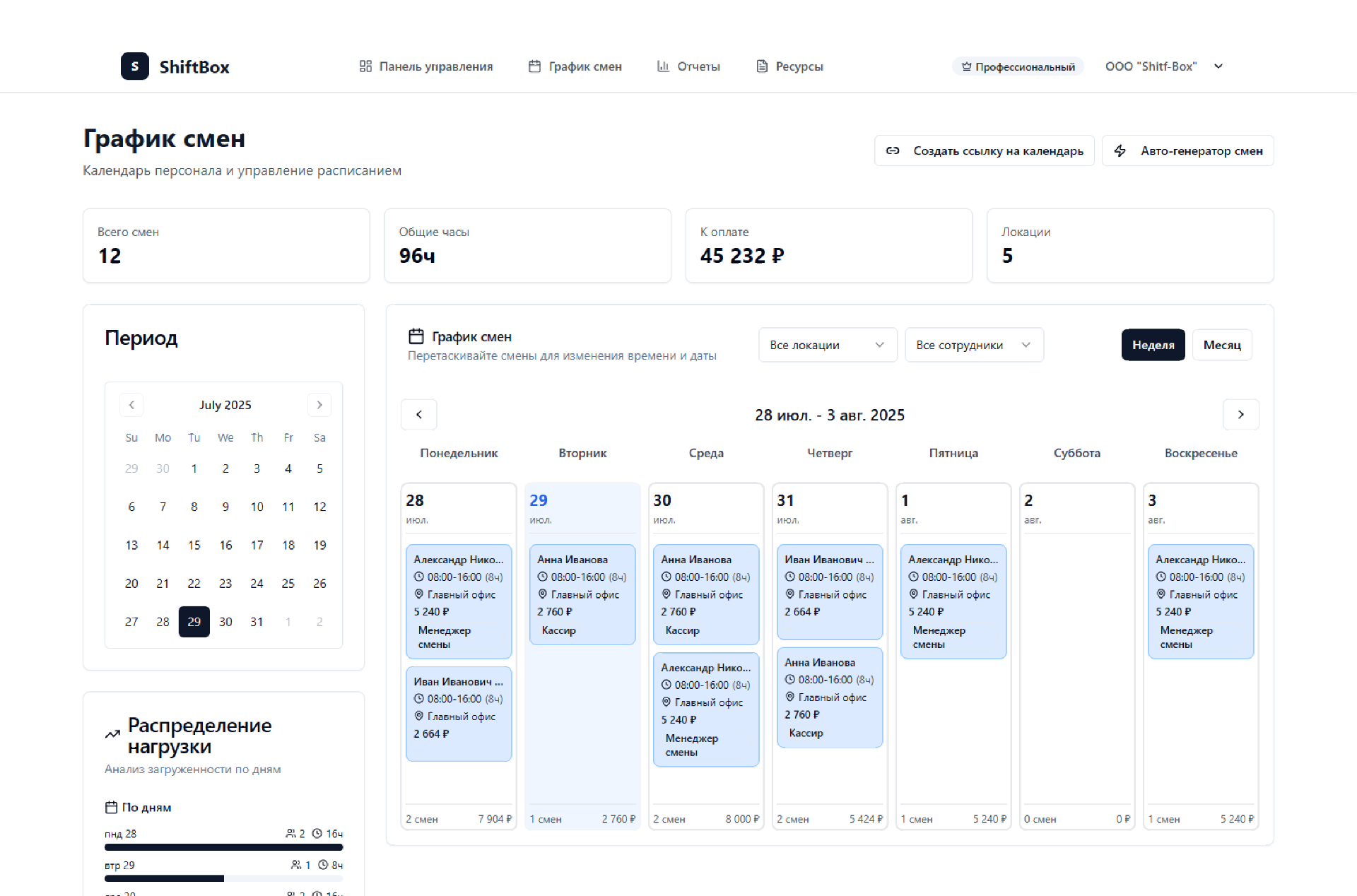
See opener and closer coverage against daily arrival patterns. Adjust when a holiday week or school break changes volume without rebuilding a file from scratch.
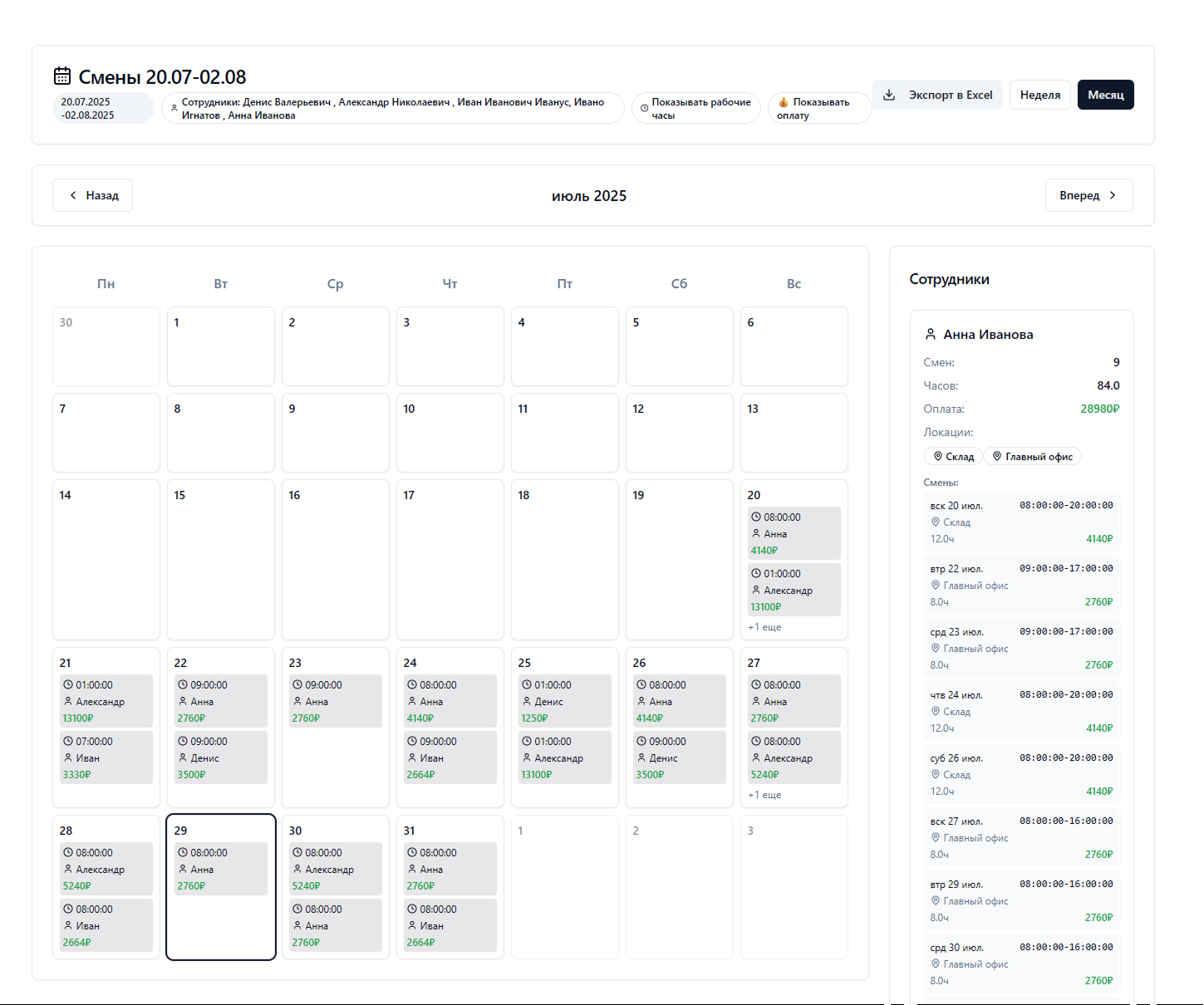
Align care routines with shift blocks so handlers know when feeding rounds and enrichment walks happen—not only that they are "on today."
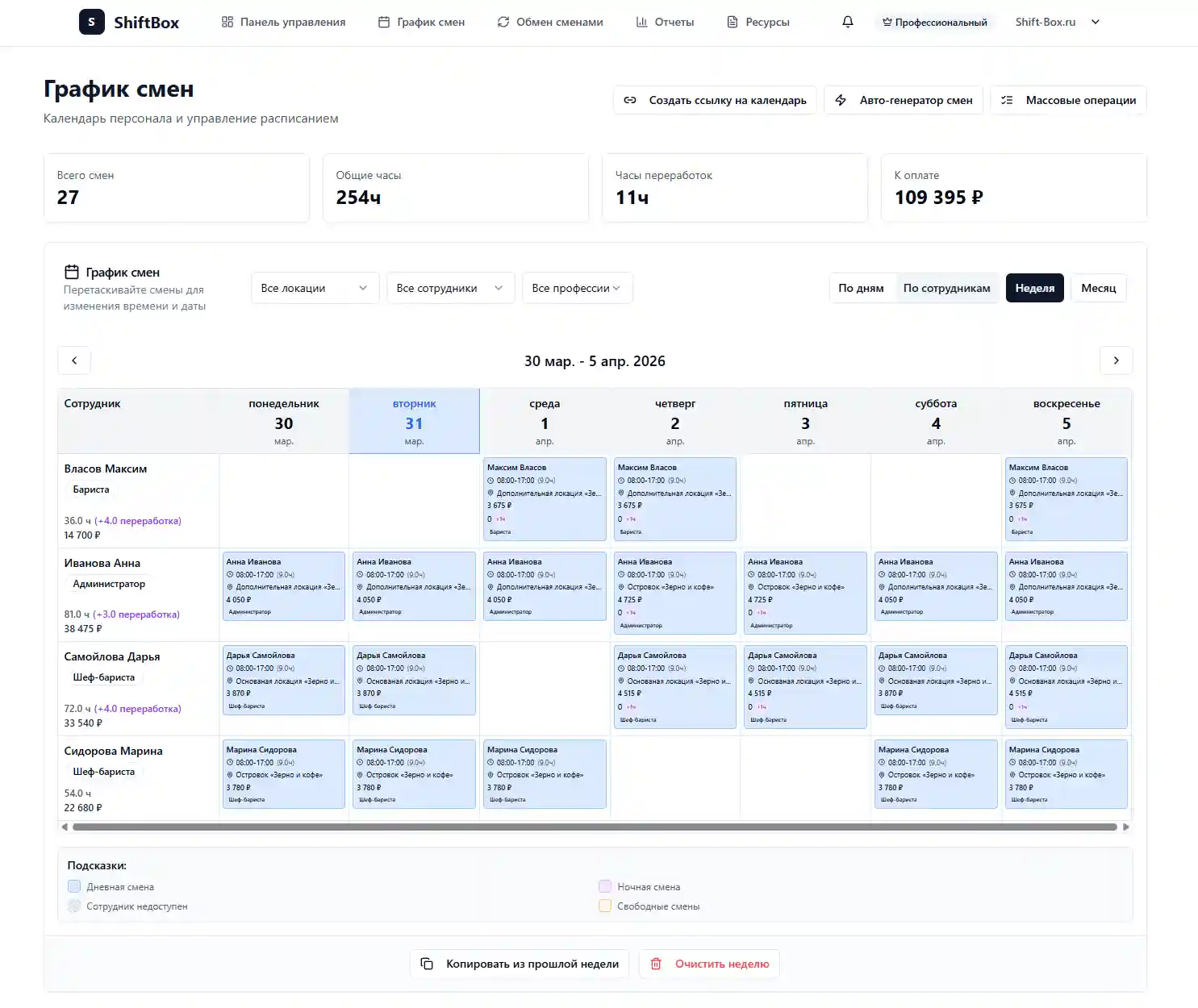
Kennel cleanup, yard sanitizing, and actual time sit in one system instead of a patchwork of whiteboards, chats, and side spreadsheets.
Calendar, people, hours, coverage, and reports share one workflow—no Excel, chat threads, and manual roll-ups across shifts and care routines.
Build shifts in a clear matrix calendar, assign people with drag-and-drop, and immediately see coverage gaps.
Actual hours, lateness, and overtime live in one place so managers are not reconciling spreadsheets at month-end.
Staff open a browser link, see their shifts, mark unavailability, and request swaps without a heavy onboarding flow.
When shifts change, people see the new plan in their workspace—managers do not re-explain every edit in side threads.
Each role sees the slice of daycare operations it needs to run the floor through quiet weekdays and packed boarding weekends
Gets a clearer picture of labor against capacity without collecting status from a whiteboard photo and a spreadsheet every morning.
Works with a live roster: adds shifts, closes gaps after call-outs, and publishes changes without chasing caregivers in chat.
Gets cleaner hour and shift data from caregivers instead of assembling it from a spreadsheet, paper log, and text message confirmations.
Daycare teams need more than a neat template—they need to keep the process current when drop-off volume spikes, a handler calls out, feeding times shift, and weekend boarding fills every kennel run.
"We run a twelve-kennel daycare with one play yard and four caregivers on a busy day. Shifts lived in a spreadsheet while feeding and walk rounds lived on a whiteboard that nobody updated after swaps. After ShiftBox, opener coverage, play yard blocks, feeding windows, and closing sanitation stopped living in separate places: the manager works in one window, and caregivers see a current shift plan on mobile before the first dog arrives."
Drop-off-driven shift changes, feeding reassignments, and sanitation handoffs had to be confirmed by hand, and the final hour picture came from a spreadsheet plus a handwritten overtime log.
Opener, play yard, kennel, and closer shifts plus care routine blocks and actual time live in one process that is easier to keep current as daily volume changes.
The facility stops fighting operational fires across whiteboards and spreadsheets and moves to more predictable control of roster, care routines, and hours through weekday daycare and weekend boarding peaks.
Not only build the schedule, but keep it live as dogs arrive, routines run, and caregivers swap shifts
A dog daycare roster rarely stays static for even a day. Monday drop-off clusters need two openers, but Tuesday opens quiet until nine. A caregiver calls out during the busiest play yard hour. Feeding round two was supposed to start at noon, but the handler is still covering intake. A boarding guest checks in early, which means an extra kennel wash-down before the afternoon group rotates. Owners pick up late, so the closer stays for sanitizing empty runs. When shifts live in a spreadsheet and feeding, walks, and cleanup live on a whiteboard, every change becomes a manual chain of texts, sticky notes, and revised tables that are outdated before they are saved.
Dog daycare is not a veterinary clinic. You are not scheduling surgery rooms, licensed technicians, imaging blocks, or on-call emergency clinicians. You are running a small care operation: staff the floor, feed on time, walk groups safely, keep kennels and yards clean, and stay within labor budget while owners trust you with their dogs. ShiftBox gathers shifts, actual hours, and swaps in one place so the owner, facility manager, and lead caregiver can build the plan and keep it current without constant drift between people, chats, and files.
Opener and closer shifts can follow real arrival and pickup patterns instead of a rigid template that ignores how your neighborhood actually behaves. Play yard coverage can flex when you add a second handler for high-energy groups or split large and small dogs across zones. Kennel rows can be assigned by block so feeding, bedding checks, and turnover cleaning have a named owner during each window. Walk and enrichment rounds can sit next to the shift that covers them, so a busy day does not silently drop exercise time because "someone else was supposed to do it."
Sanitation is where small facilities often feel the pain most clearly. Yard sanitizing, kennel wash-downs, food prep surfaces, and end-of-day turnover are repetitive—but they fail when they are everyone's job and nobody's shift. When cleanup rounds align with published blocks, handoffs are cleaner and managers spend less time asking who finished the last run before boarding check-in. That is the operational backbone of a kennel, not clinical workflow software built for vet hospitals.
Weekend and holiday boarding pushes the same team harder with a different rhythm. Capacity fills, feeding schedules multiply, and pickup windows stretch. Temporary or part-time caregivers join for the surge, but if they live in a side spreadsheet, weekday managers miss gaps until Friday afternoon. One roster lets you scale boarding blocks, see hour totals during the month, and record extra coverage without losing it before payroll.
Because hours sit next to published shifts, overtime from late pickups, extended cleanup, and emergency call-out coverage is easier to notice during the week—not only when a paper log and a spreadsheet are merged at month-end. That gives owners a more honest picture of labor against occupancy before costs harden into surprises.
A more predictable kennel roster and less daily manual work across shifts and care routines.
Especially important for independent daycares, small boarding kennels, and neighborhood facilities that must react fast to drop-off variability, feeding windows, walk rotations, sanitation handoffs, and weekend surges without hiring a dedicated scheduling administrator.
Try it free and model opener coverage, a feeding round handoff, and a weekend boarding block in one facility calendar.
ShiftBox helps dog daycare and kennel teams keep caregiver shifts, feeding rounds, walk blocks, and sanitation routines in one workflow so drop-off coverage is easier to guarantee, care handoffs stay clear, and payroll prep is less painful—without clinical vet scheduling complexity.
Staff coverage, feeding rounds, walk blocks, sanitation, and small-facility operations
Yes. Most daycare and boarding facilities see demand spike at opening and again before closing. You can model early opener shifts, mid-day play yard coverage, and late pickup staff in one roster. When a holiday or school break changes volume, managers adjust from one place and the team sees the updated plan—not a screenshot from the staff group chat.
ShiftBox keeps the operational calendar in one workspace so leads can align care routines with who is actually on the floor. You can structure shifts by zone—play yard, kennel row, intake desk—and note when feeding, enrichment walks, and rest breaks should happen during each block. Staff see their assigned window in the portal instead of relying on a whiteboard that nobody updated after a call-out.
Yes. Small facilities often fail not because they lack a checklist, but because nobody knows who owns it during a given hour. When shifts, zones, and cleanup rounds sit together, morning kennel wash-downs, midday yard sanitizing, and end-of-day turnover are easier to assign and hand off. That is operational pet care—not clinical vet licensing or surgery room scheduling.
The calendar highlights coverage gaps before dogs arrive or owners pick up. Managers can record a swap, move someone from a quieter kennel block, or extend an adjacent shift while keeping the hour trail intact. That matters in facilities where one missing person means missed feeding times, delayed walks, or an understaffed play group.
It is built for teams that wear multiple hats. A facility with six to fifteen staff still needs opener coverage, lunch relief, walk rotations, and closing sanitation without building a corporate HR stack. You import people and base shifts once, publish to caregivers on mobile, and scale templates when you add a second play yard or weekend boarding block.
When published shifts and actual hours sit together, extra load shows up during the week—not only when payroll merges a spreadsheet and a handwritten overtime log. Weekend boarding surges, extended pickup windows, and emergency coverage are easier to spot before they become a surprise labor line item.
Pages that help close neighboring scenarios for pet care and shift teams
For daycares where opener hours, play yard blocks, and weekend boarding coverage change week to week.
When you need to catch extra caregiver hours during boarding weekends early instead of reconciling at month-end.
When your operation includes a clinical vet side with surgery rooms and licensed staff—not everyday daycare and kennel care.