1
Problema Two crews, two stories
Each team remembers a different version of who traded shifts last Tuesday.
Symmetry on paper does not stop drift once swaps and leave enter the picture
Each team remembers a different version of who traded shifts last Tuesday.
The master file changes faster than the group chat can resend screenshots.
You reconstruct coverage and hours from fragments instead of a timeline.
Backfill rules are verbal, so coverage quality swings week to week.
The base pattern goes in quickly; the system keeps it current as reality changes
Add people and roles.
Build the core 2/2 template.
Publique turnos al equipo.
Run swaps and hours inside the same tool.
Even a simple 2/2 board loses clarity when edits and actual time stay manual.
Trouble rarely starts in the pattern itself—it starts after swaps, leave, and sick days when nobody shares the same version.
Horario, cambios y horas reales en un solo lugar: el responsable de turno ve una foto viva por persona y turno.
Keep the repeating block, the exceptions, and the worked-time trail aligned
Planners edit; crews refresh—no competing "final" attachments.
Substitutions stay dated so mirrored teams do not argue from memory.
Compare planned blocks to what actually ran before overtime hardens.
Vacations and sick days are part of the operational calendar, not a side spreadsheet.
No automatización abstracta: puntos de control concretos cada turno.
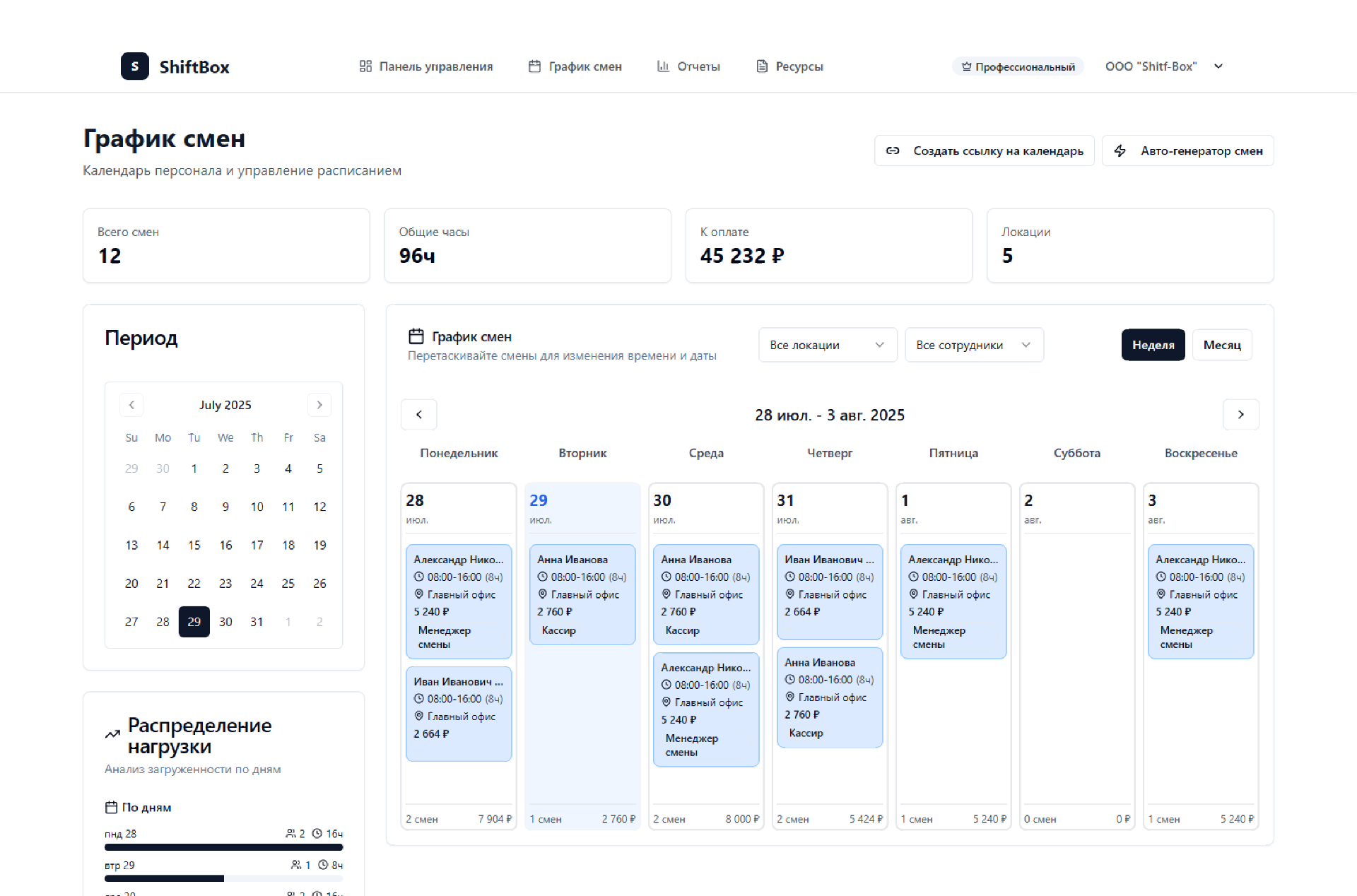
2/2 no longer lives apart from leave, sick days, and moves: everyone sees the same current shift picture.
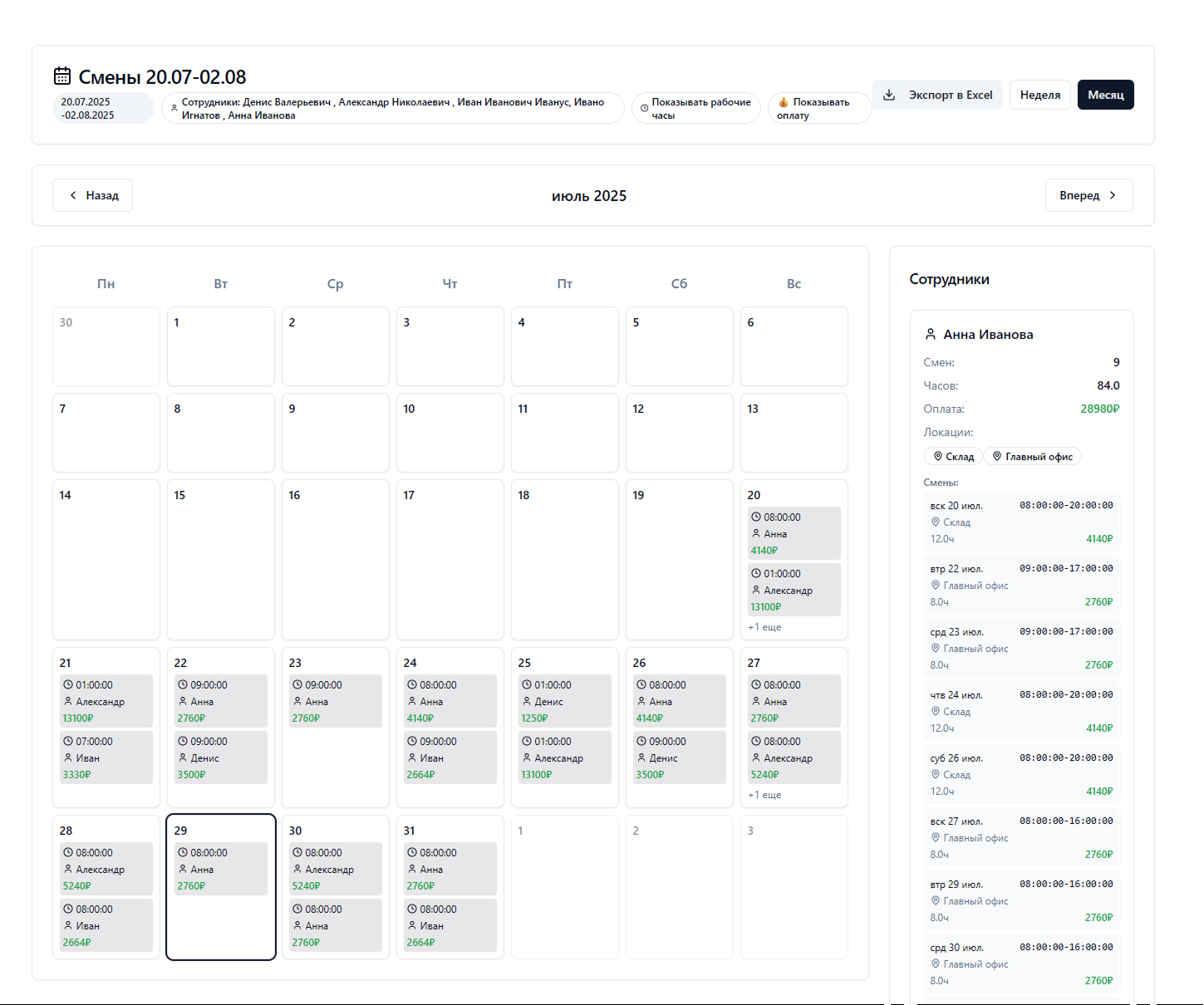
Horas por persona, sustituciones y sobrecarga en un solo lugar, para decidir antes del cierre del periodo, no después.
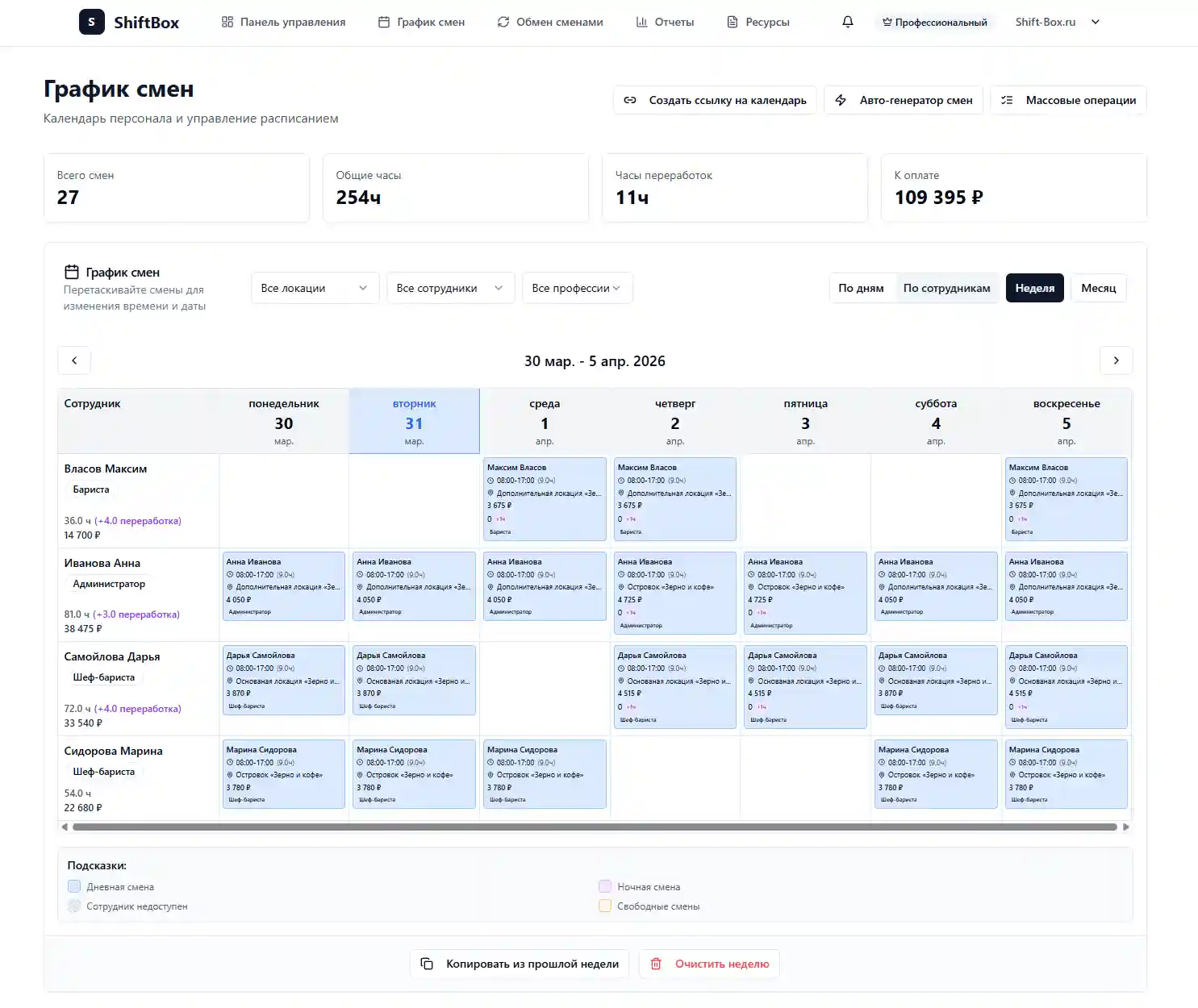
Tras publicar, el equipo ve el plan actualizado en su portal, sin reenviar archivos tras cada cambio.
Calendario, personal, horas, cobertura e informes en un solo flujo: sin Excel, chats ni consolidados manuales.
Monta turnos en una matriz clara, asigna con arrastrar y soltar y ve al instante los huecos de cobertura.
Horas reales, retrasos y extras en un solo sitio para que los responsables no concilien hojas al cierre.
El equipo abre un enlace en el navegador, ve sus turnos, marca indisponibilidad y pide cambios sin onboarding pesado.
Cuando cambian los turnos, la gente ve el plan nuevo en su espacio: los managers no reexplican cada edicion en hilos aparte.
En un horario vivo, cada rol necesita su parte de la misma información.
Ve personas, turnos y carga sin esperar un consolidado manual de fin de periodo.
Todo en un solo sitio: arma turnos, edita el cuadro y publica sin hilos interminables ni reenvío de archivos.
Base más limpia para partes de horas, revisión de horas y preparación de nómina, no fuentes dispersas.
Teams on this pattern rarely break on day one—they break once real edits pile up. That is when one shared process starts saving time.
"We are a team of twelve. After a few moves and vacations the manager could not tell whose cycle was current. Now schedule, changes, and hours live in ShiftBox: one calendar for the lead, one published view for the crew."
Every fix meant a new sheet, a people-by-people check, and manual hour reconciliation at period end.
Template, exceptions, and shift facts stay in one process that survives each swap.
The crew stops rebuilding 2/2 by hand after every edit and shares one current picture of people, hours, and shifts.
Value shows up when schedule, exceptions, and hours share one workflow.
Any base pattern looks simple until real exceptions appear. Once moves, swaps, and deviations stack up, a manual process stops being transparent—for managers and staff alike.
ShiftBox keeps this scenario in one place: calendar, worked time, coverage, and publish act as a single loop. Edits no longer drag a new file version and a final manual roll-up behind them.
A steadier board that survives real-world changes across the week or period.
Especially useful where the pattern looks standard but every exception shifts the final picture of people and hours.
Start free and publish a 2/2 baseline your crews can open anywhere.
Ask for a walkthrough if you run mirrored day/night crews—we can map that scenario.
ShiftBox keeps the familiar 2/2 beat from turning into tribal knowledge—publish, adjust, and read hours from one place.
Festivos, permisos y simetría del calendario
Los marcas en el mismo calendario publicado; el bloque simétrico sigue siendo la referencia, no un PDF aparte.
El cambio queda registrado sobre el patrón base, sin copiar filas a otra hoja.
Sí: al juntar turno planificado y horas trabajadas, aparecen desvíos antes del cierre.
Con su enlace personal ven la versión publicada, sin instalar aplicación.
Escenarios similares para equipos por turnos